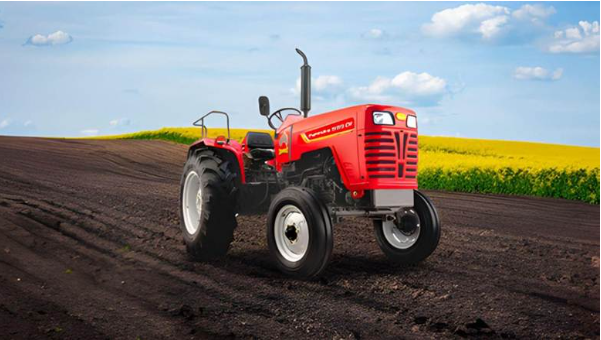
Water is becoming the tightest input on Indian farms. Borewells go deeper each year, power supply is uneven, and the canal turns feel shorter than the crop calendar. When water is scarce, farmers think about drip lines, sprinklers, and pumps. Those are important, but the biggest savings often begin earlier, in the way the field is prepared and managed. A tractor that can do consistent work, on time, helps you use each irrigation with less waste.
Mahindra tractors are common in villages because they suit varied farm sizes and cropping patterns. With the right implements and operating habits, they support water-smart farming by improving land uniformity, protecting soil structure, and reducing repeat passes.
How Tractors Influence Water Use On The Farm
A tractor does not “save” water by itself. It saves water by helping the farmer control three things that decide how irrigation performs.
- Distribution: whether water spreads evenly or collects in low spots
- Infiltration: whether water soaks into the root zone or runs away
- Timing: whether critical operations happen in the right window
A reliable farming tractor becomes valuable because it keeps these three levers under control across seasons.
Levelling: The Simplest Way To Avoid Over-Irrigation
Uneven land turns flood irrigation into guesswork. One corner gets waterlogged, another stays dry, and the farmer keeps watering until the driest patch looks satisfied. That extra water is often wasted through deep percolation, run-off, or ponding.
With a tractor-mounted leveller, blade, or box scraper, farmers can smooth the field so water moves as a shallow sheet instead of puddling. Levelling improves germination and crop uniformity, which reduces the need for repeat irrigations to “fix” weak patches. A steady tractor set-up also helps maintain a gentle slope towards channels, so water flows where you want it to flow.
Shaping Land: Guiding Water To The Plant Line
Many crops respond well when the land is shaped for controlled irrigation. Ridges, furrows, and raised beds guide water to roots while keeping the rest of the soil less saturated. Behind a farming tractor, a ridger or bed former can create neat, repeatable shapes that are hard to achieve by hand on larger plots.
Shaped land can help in cotton, maize, vegetables, and pulses, and it is useful in rainfed areas too because it slows run-off and stores rainfall. The biggest win is efficiency: furrows carry water along rows with fewer breaches, and beds keep the root zone aerated, reducing the temptation to apply “one more” irrigation after a waterlogging scare.
Soil Structure: Letting Water Enter And Stay
Water is saved when soil acts like a sponge. Compacted soil sheds irrigation; over-powdered soil crusts after watering and blocks entry. The aim is balanced tilth: open enough for infiltration, stable enough to resist crusting.
Tractor-driven implements such as cultivators and rotavators can help create that balance when used with restraint. A Mahindra tractor’s predictable power delivery and depth control can support even tillage, so you avoid patchy areas that absorb differently. Fewer, well-timed passes also reduce surface drying compared with repeated passes done “just to finish the job”.
Residue and mulching are also part of soil moisture management. With residue cutters or mulchers, tractor work can help keep a protective cover on the soil. That cover reduces evaporation and softens the impact of heavy rain, which supports infiltration instead of run-off.
Precision Sowing: Less Water Lost To Poor Plant Stand
A weak plant stand costs water in a quiet way. If emergence is uneven, the farmer often adds irrigation to push late seedlings. If gaps are large, re-sowing may happen, which restarts the watering cycle.
With seed drills, seed-cum-fertiliser drills, and planters, the tractor helps place seed at a consistent depth and spacing. Better placement leads to more uniform emergence after a pre-sowing irrigation or a rain. This is one reason a dependable farming tractor matters: it helps you complete sowing quickly in the right window, so the crop establishes on stored moisture rather than on repeated top-ups.
Implements That Turn Tractor Power Into Water Efficiency
Tractor choice is only half the decision; the implement set is the other half. Many water-saving gains come from the attachments you use most often. With Mahindra tractors, farmers commonly run tools such as:
- Land levellers (regular or laser-based, where available)
- Ridgers and bed formers for furrow or bed irrigation
- Rotavators and cultivators for controlled seedbed preparation
- Mulchers to keep soil covered and reduce evaporation
- Boom sprayers for even application and less chemical waste
- Trolleys for faster input movement during irrigation turns
Why A Compact Tractor Can Save Water On Small Holdings
Not every farm needs a large machine. In orchards, vineyards, and small vegetable plots, a compact tractor often brings the best water benefit because it can do delicate jobs without damaging plants or bunds. It also manoeuvres easily in narrow rows and fragmented plots, which are common in India.
A compact tractor can support moisture-saving tasks such as basin making around fruit trees, light interculture to control weeds, and the transport of mulch or compost. Weed control matters because weeds “drink” the irrigation meant for the crop. When a small machine makes weeding quicker, farmers are less likely to delay it, and the crop uses water more efficiently.
Timeliness: The Underrated Water-Saving Feature
Farmers usually link water use to the irrigation method, but timing is just as important. Late land preparation pushes sowing into hotter weeks. Missed weeding increases competition for moisture. Delayed spraying weakens the crop, and stressed plants lose water faster.
A reliable farming tractor helps you work inside tight windows: right after a shower, between electricity supply slots, or before a canal turn ends. When operations are timely, the crop faces fewer stress events, and fewer stress events usually mean fewer “rescue” irrigations.
Operating Habits That Protect Moisture And Soil
Water-smart farming is not about doing more; it is about doing the right work and avoiding waste. A few tractor-related habits make a noticeable difference over one season.
- Avoid unnecessary passes, because each pass dries the topsoil
- Maintain tyre pressure to reduce compaction and improve infiltration
- Set the implement depth correctly instead of working deeper than needed
- Keep filters and oil in good condition so the power stays smooth
- Repair bunds and channels early to prevent seepage and breaches
These actions support soil structure, and soil structure decides how well irrigation is stored.
The Bottom Line
Mahindra tractors help save water because they enable consistent field preparation, accurate land shaping, timely sowing, and repeatable interculture. On larger plots, a robust farming tractor with the right implements can reduce uneven irrigation and avoid repeat work that dries the soil. On orchards and smaller plots, a well-matched compact tractor makes moisture-protecting tasks easier and quicker.
Water efficiency is rarely one big change. It is the result of many small decisions made every week. When your tractor and implements help you make those decisions with control – straight furrows, level fields, fewer passes, and on-time operations – each irrigation goes further, and the crop rewards you with steadier growth.