You’re staring at a mountain of ripe mangoes—sweet, juicy, almost too perfect—and you know that in three days, if you don’t get them into a proper chill, they’ll turn into a sticky mess. That’s the moment you realize cold storage isn’t just a luxury, it’s the difference between profit and rot. For anyone dealing with large-scale fruits and vegetables, finding a partner who gets the nuances of temperature and humidity is a game-changer. Cold Storage Construction Services has been quietly revolutionizing how China handles this perishable challenge, building facilities that don’t just warehouse produce but actively preserve its just-picked glory. Their approach blends engineering smarts with a deep understanding of what each crop demands—bananas need different air circulation than apples, and leafy greens are fussier than root veggies. And when you scale up to industrial volumes, every degree matters.
Let’s talk specifics. A typical setup for a massive fruit operation isn’t just about a big fridge. Cold Storage Construction Services designs multi-chamber systems that let you shift temperatures based on what’s coming in. Maybe you’ve got a shipment of citrus one week and a truckload of spinach the next—their modular builds mean you’re not stuck with one setting. The insulation materials they use are thick, ridiculously efficient, and lined with vapor barriers that keep condensation from turning your cauliflower into a slimy science experiment. For vegetable warehouses, where ethylene gas from ripening fruits can wreak havoc on sensitive greens, they integrate separate air handling units that keep the atmosphere clean. It’s not glamorous work, but it’s the kind of thoughtful design that makes you sleep better at night, knowing your investment isn’t wilting away.
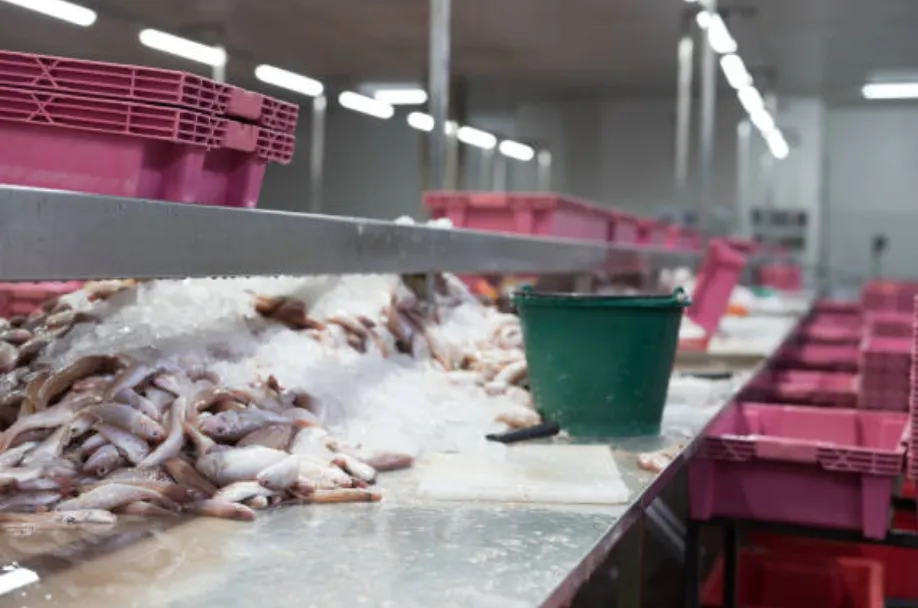
Now, if you’ve ever tried to freeze a truckload of shrimp or salmon, you know seafood is a whole different beast. That’s where their Seafood Cold Storage Solutions come into play, and honestly, the crossover between fruits and frozen fish is more connected than you’d think. Both require rapid chill-down to lock in quality, but seafood has that extra pressure of odor control and moisture loss. Cold Storage Construction Services takes the same core principles—like precise insulation and airflow management—and tweaks them for the briny world. Their seafood-specific units feature special flooring that handles ice melt without becoming a skating rink, plus racking systems that allow for blast freezing whole tuna or delicate fillets. For large-scale fruit and vegetable projects, they borrow these seafood insights: better drain systems for washed produce, anti-microbial wall coatings that resist mold in humid environments, and doors that seal tighter than a submarine hatch. You’d be surprised how often a vegetable cold room borrows from a fish freezer’s playbook.
The real magic happens when you’re dealing with multi-season storage. Cold Storage Construction Services builds facilities that can transition from holding autumn pumpkins through winter to spring berries without skipping a beat. Their temperature control systems are granular—think digital sensors in every nook, linked to a central dashboard you can check from your phone. No more guessing whether the back corner is three degrees warmer than the front. For fruits like pears that need very specific humidity levels to avoid shriveling, they install fogging systems that mimic misty orchard mornings. Vegetables? They get tailored airflow to prevent moisture pockets that trigger rot. It’s like having a climate wizard for your produce, and it all stems from years of tweaking designs based on real-world feedback from farmers and distributors who’ve lost sleep over a broken compressor.
You might wonder how Seafood Cold Storage Solutions fits into this picture if you’re strictly a fruit-and-veggie operation. Here’s the trick: many large-scale facilities nowadays are hybrid hubs. A single cold storage complex might have a wing for frozen peas, another for fresh mangoes, and a third for frozen fish sticks. That hybrid approach is where Cold Storage Construction Services shines—they design the entire layout so that the seafood section’s blast freezers don’t mess with the delicate chill of the produce zone. Their expertise in Seafood Cold Storage Solutions means they understand how to contain strong odors (because frozen fish can make your greens taste like the ocean) and manage the heavy foot traffic of pallet jacks in wet conditions. For your fruit and vegetable warehouse, this translates into better zoning, more durable infrastructure, and a system that doesn’t freak out when you suddenly need to freeze 10,000 pounds of broccoli.
Let’s get a little nerdy about the building process itself. Cold Storage Construction Services doesn’t just drop a bunch of panels and call it a day. They start with a soil analysis—because a foundation shift can crack a cold room’s seal—and then pour insulated floors that have heating elements to prevent frost heave. The walls are prefabricated foam panels, typically polyurethane, that offer an R-value that makes your home fridge jealous. For large-scale fruits and vegetables, they install ethylene scrubbers and CO2 monitoring systems, which are borrowed straight from high-end wine storage tech. And if you’re storing something finicky like avocados that ripen unevenly, they can program gradual temperature ramps. The whole setup is designed to keep your produce in a state of suspended animation until it hits the market.
Speaking of markets, timing is everything. A facility built by these folks can hold apples for months without them turning mealy, or keep asparagus crisp for weeks. That’s a huge advantage when prices fluctuate. Cold Storage Construction Services knows that a cold room is a financial tool, not just a utility room. Their Seafood Cold Storage Solutions crew brings experience with quick-freezing techniques that lock in texture, a trick that works wonders for berries and sliced bell peppers. They’ll even help you choose between ammonia-based refrigeration systems (cheaper to run, but requires more safety protocols) versus freon systems (quieter, easier to maintain). For a large-scale vegetable operation, they often recommend a hybrid—ammonia for the main chilling, with smaller freon units for backup or seasonal overflow.
What about energy bills? Nobody wants to spend their profit margin on electricity. Cold Storage Construction Services integrates solar-ready designs and heat-recovery loops that capture waste heat from compressors to warm worker areas or preheat cleaning water. Their Seafood Cold Storage Solutions team already uses these tricks in high-volume fish plants, and they apply the same logic to produce storage. You can install motion-sensor LED lighting that dims when no one’s around, and automated door openers that minimize temperature leaks. They also advocate for variable-speed fans, which adapt to the load instead of blasting full power all day. For a client storing 20,000 pallets of oranges, these tweaks can cut energy use by 30 percent—enough to pay for the technology in a year.
Let’s wrap this in a real-world scenario. Picture a distributor in Shandong who handles both local cabbages and imported dragon fruit. They called in Cold Storage Construction Services to convert an old warehouse into a state-of-the-art facility. The team ripped out the existing piping, installed 10-inch polyurethane panels, and split the space into four zones: one for greens, one for tropical fruits, one for root veggies, and a small section borrowed from Seafood Cold Storage Solutions design—with ultra-low temperature gates—for flash-freezing okra and snap peas. The result? Spoilage dropped from 15 percent to under 2 percent, and the client started renting out the seafood-style blast freezer to neighbors for quick-freezing their berry harvest during peak season. The same system that costs a bit upfront now generates extra income.
At the end of the day, building a cold storage facility for large-scale fruits and vegetables isn’t about following a blueprint. It’s about understanding the personality of each crop—how a peach exhales more heat than a potato, how a head of lettuce bruises if air velocity is too strong. Cold Storage Construction Services brings that insight, refined by years of projects ranging from banana ripening rooms to seafood depots. Their Seafood Cold Storage Solutions experience adds a layer of ruggedness and efficiency that pure fruit-and-veggie builders often miss. So, if you’re staring at your own mountain of produce and wondering how to keep it pristine, know that there’s a builder out there who treats your mangoes or spinach like they’re as precious as a fresh-caught lobster. And they’ll build you a palace of cold that makes it all last longer than you ever thought possible.