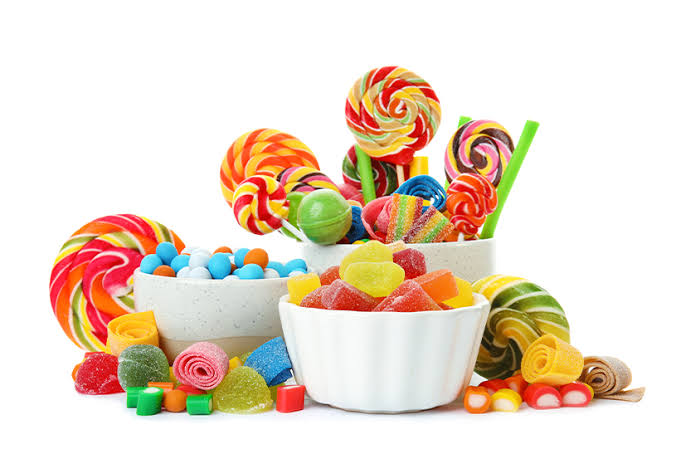
Attention to a candy product is often captured by the appearance of the product, not the taste. Color can have subtle influences on expectations – a factor which consumers might not be aware of when doing their shopping. For this reason, manufacturers take the time to review the options of ingredients during development; red radish powder is discussed frequently. Most often, product teams will consider shade intensity, handling characteristics and formulation compatibility when deciding. A slight adjustment of color may make a much more dramatic change than anticipated.
Testing Before Production
No manufacturer wants any surprises when large production runs start. Ingredients that work well in small quantities might not work as well in a large one. Results may vary due to heat, moisture and processing. For this reason, candy food coloring is usually subjected to a few evaluations before being approved. After production, technical teams inspect the color performance and product appearance. These kinds of evaluations can be used to detect the problem early and offer valuable information prior to massive manufacturing investments.
Products have different reactions.
Each confectionery recipe is unique with its own set of attributes and issues. Hard candies, gummies, chewy products, or coated candies don’t necessarily react to the same extent. The end product can vary significantly based on ingredient interactions, such as red radish powder that can give a different look in a gummy product as compared to another product. Typically, development teams will review products rather than take it for granted that results will stay the same. This will facilitate planning and production that is more reliable.
Managing Visual Consistency
One of the key objectives in commercial food manufacturing is consistency. When people buy a well-known item, they usually expect that it will look the same way the next time. This consistency is achieved by paying attention to the ingredients used and the controls in place during the manufacture, and is usually examined by regular quality controls. Candy food coloring is frequently checked by normal quality control during the manufacturing process. Production samples can be compared to standards and specifications. These are part of practices that will help to minimize variation and maintain a consistent visual appearance over various production runs and distribution phases.
Practical Ingredient Considerations
Choosing color is not just about its look. In addition to these operational aspects, storage requirements, handling procedures and efficiency of manufacture are also considered in the evaluation process. Manufacturing facilities might have various pieces of equipment, procedures and formulation requirements. The ideas that work best for one company can be changed for another.
Evolving Industry Expectations
Food companies are constantly adjusting to new food trends and preferences. Focusing on the products, the industry will constantly be evaluating them to keep them relevant and still help produce the product in an efficient way, and it is still a vital topic as the visual appeal still permeates purchasing decisions. When developing new products, manufacturers may need more information prior to choosing color ingredients. More informed decision-making during product development and manufacturing planning activities is facilitated by technical documentation, application guidance and performance reviews.
Supporting Product Development
In most cases, product development needs to be tested and observed time and time again. The use of red radish powder may be considered in these evaluations by manufacturers as they investigate color solutions for confectionery products. Pilot batches, stability, and production trials are often aspects of development. Information from various stages can help teams to better understand the performance of ingredients. This information contributes to the decision-making process in line with product objectives and production needs.
Conclusion
Appearance is still important, and color is still one of the key factors influencing first impressions before a confectionery product is even eaten, so it remains a major role in the confectionery manufacturing process. For companies who are interested in finding out more about color applications and other industry-related subjects, there is some useful information on Foodrgb.com. Red radish powder and candy food coloring always offer good options for all types and conditions of candy production. They are suitable for various formulations, processing conditions, storage requirements, and visual requirements. Test, evaluating, and communicating well with suppliers will help with better decision-making throughout development. Careful consideration needs to be given to the options available on the market and the solution needs to be one that suits the specific production requirement of the business.