

In the heart of the Himalayas, where Mount Everest stands as the ultimate symbol of human aspiration, the Everest Base Camp Helicopter Tour and Kathmandu to Everest Helicopter Tour offer an unparalleled way to witness the world’s highest peak without the demands of a multi-week trek. These luxury day trips combine thrilling aerial perspectives, strategic landings, and breathtaking mountain vistas, making them ideal for time-conscious travelers, adventure seekers, and those seeking a premium Himalayan experience. Whether you’re short on time or prioritizing comfort, these tours deliver close-up views of Everest (8,848 m), the Khumbu Glacier, and iconic peaks like Lhotse, Nuptse, and Ama Dablam—all within a single, unforgettable day.
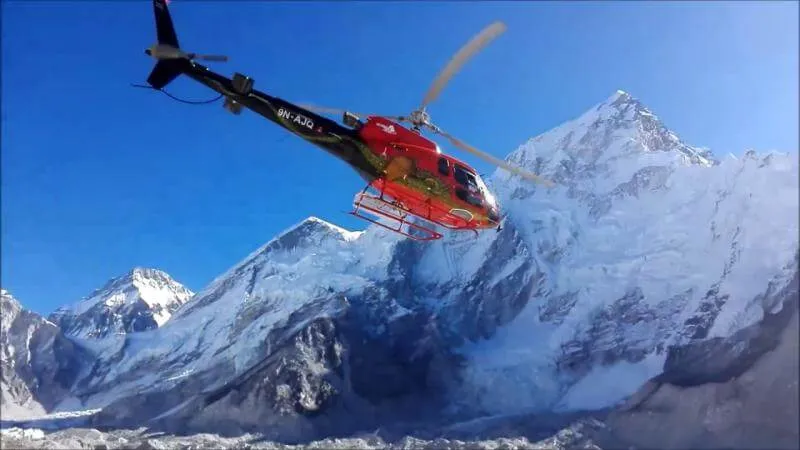
Understanding the Everest Base Camp Helicopter Tour
The Everest Base Camp Helicopter Tour is a meticulously designed one-day excursion that transports passengers from the bustling streets of Kathmandu directly into the dramatic landscapes of the Everest region. Unlike traditional trekking, which can take 12–14 days and requires significant physical preparation, this helicopter journey provides immediate access to Everest Base Camp (EBC) at approximately 5,364 m.
Operators typically use agile, high-performance helicopters such as the Airbus H125 or AS350 B3, certified for extreme altitudes. The tour emphasizes safety and eco-conscious flying, with no direct landings at EBC itself due to the moving glacier, rockfall risks, and environmental protections. Instead, passengers enjoy a scenic flyover of the base camp and the Khumbu Icefall, followed by optional landings at nearby vantage points. This format ensures 360-degree panoramic views while minimizing impact on the fragile Sagarmatha National Park ecosystem.
The Kathmandu to Everest Helicopter Tour: A Seamless Extension
Often marketed interchangeably with the Everest Base Camp option, the Kathmandu to Everest Helicopter Tour follows an identical route and structure. It begins and ends at Kathmandu’s domestic airport, eliminating the need for separate flights to Lukla—the traditional gateway to the Everest region. This seamless Kathmandu departure makes it especially appealing for international visitors with tight schedules. The key distinction, if any, lies in branding: some operators highlight the “Kathmandu to Everest” name to emphasize the full round-trip convenience from the capital. Both tours deliver the same core experience: rapid elevation gain, expert piloting, and immersive Himalayan immersion in just 4–6 hours.
Detailed Itinerary: What a Typical Day Looks Like
A standard Everest Base Camp Helicopter Tour (and its Kathmandu counterpart) unfolds with precision to maximize safety and views:
-
Early Morning Departure (5:40–6:40 AM): Hotel pickup and transfer to Kathmandu Domestic Airport for check-in. Passengers receive a pre-flight briefing on safety, altitude awareness, and emergency procedures.
-
Flight to Lukla (≈45 minutes): Soar over terraced hills, rivers, and the first glimpses of snow-capped peaks. A brief refueling stop at Lukla Airport (2,860 m) allows passengers to stretch and admire the world’s most dangerous runway.
-
Ascent into the Khumbu Region: The helicopter climbs toward Pheriche or directly into the high Himalayas, passing Sherpa villages, Buddhist monasteries like Tengboche, and the Dudh Koshi River valley.
-
Everest Base Camp Flyover & Kala Patthar Views (≈15–20 minutes): Experience the highlight—circling above EBC at 5,364 m and the iconic Kala Patthar viewpoint (5,545 m). Witness the colorful expedition tents, the massive Khumbu Glacier, and Everest’s summit pyramid in stunning clarity.
-
Landing at Hotel Everest View (≈1 hour): Touch down at the world’s highest luxury hotel (3,880 m / Syangboche) for a gourmet breakfast with panoramic mountain views. This stop provides time for photography, light exploration, and reflection.
-
Return to Kathmandu (by ≈11:30 AM–12:00 PM): Refuel at Lukla if needed, then descend back to the capital with final aerial vistas.
Private tours may include an exclusive 8–10 minute landing at Kala Patthar for even closer Everest views (limited to 1–2 passengers per rotation for weight and safety reasons). Timings can shift slightly due to weather or air traffic, but the entire experience typically concludes by early afternoon.
Breathtaking Highlights and Scenic Wonders
Passengers consistently describe the tour as life-changing. The aerial perspective reveals the scale of the Himalayas in ways ground travel cannot match: the jagged Khumbu Icefall, sweeping glaciers, and the sheer vertical drama of Everest’s face. Cultural glimpses of Sherpa life—prayer flags fluttering over villages and monasteries—add depth. The breakfast at Hotel Everest View, paired with unobstructed summit views, creates a luxurious contrast to the raw wilderness below. For photographers, window seats (rotated for fairness) and ground time offer endless opportunities to capture golden-hour light on the peaks.
Best Time to Go: Weather and Visibility
The optimal seasons for the Everest Base Camp Helicopter Tour are spring (March–May) and autumn (September–November), when stable weather, clear skies, and minimal wind maximize visibility and reduce cancellation risks. These periods align with Nepal’s trekking high seasons, offering rhododendron blooms in spring and crisp post-monsoon clarity in autumn. Winter flights are possible but feature colder temperatures and shorter daylight; monsoon months (June–August) see higher cancellation rates due to clouds and rain. Year-round departures are available, but advance booking during peak months is essential.
Cost, Inclusions, and Booking Essentials
Pricing reflects group size and customization:
-
Group/shared tours: USD 1,100–1,500 per person (most popular; max 5 passengers per helicopter).
-
Private charters: USD 5,000–6,500 for the entire helicopter (1–5 passengers).
Inclusions typically cover the helicopter flight, airport transfers in Kathmandu, fuel surcharges, oxygen kits, and safety briefings. Extras often include Sagarmatha National Park permits (≈USD 30–55 per person), breakfast at Hotel Everest View (≈USD 30–35), and any additional landings. Reputable operators offer flexible cancellation policies: full refunds or rescheduling for weather-related issues, with standard penalties for personal cancellations. Book 3–6 months ahead for peak season, and confirm operator credentials through licensed Nepali aviation authorities.
Preparation Tips for a Safe and Memorable Experience
While the tour is graded “easy” and suitable for ages 5–80 (with medical clearance recommended for those with heart, lung, or altitude concerns), preparation enhances enjoyment:
-
Pack light (20–30 L daypack): layers, sturdy shoes, UV-protective sunglasses, sunscreen, lip balm, and a power bank for your camera.
-
Stay hydrated and eat lightly before and during the flight; avoid alcohol and heavy meals.
-
Follow pilot instructions strictly—seat belts remain fastened, and movement is minimized at altitude.
-
Mild altitude symptoms (headache, shortness of breath) are possible but brief; oxygen is onboard, and high-altitude exposure is limited.
-
Choose operators with experienced pilots, modern fleets, and proven safety records.
Conclusion
The Everest Base Camp Helicopter Tour and Kathmandu to Everest Helicopter Tour transform an iconic Himalayan dream into an accessible, luxurious reality. In mere hours, you gain perspectives once reserved for elite mountaineers—without sacrificing comfort or safety. Whether celebrating a milestone, seeking adventure, or simply craving natural beauty, these tours deliver an experience that lingers long after touchdown in Kathmandu.
Key Takeaways
-
One-day efficiency: Complete round-trip from Kathmandu in 4–6 hours—no trekking required.
-
Unmatched views: Flyovers of EBC and Kala Patthar plus landings at Hotel Everest View for breakfast with Everest vistas.
-
Flexible options: Group sharing for affordability or private charters for customization.
-
Best seasons: Spring and autumn for optimal weather and visibility.
-
Safety first: Weather-dependent operations with expert pilots, oxygen, and strict protocols ensure a secure journey.
-
Value for money: Premium alternative to the classic EBC trek, ideal for busy travelers seeking luxury and impact.

.png "How to Install Canon Printer Drivers on Mac and Windows Without the Headaches")